
[Watch the video interview on YouTube here]
For me a good story will be one about someone who starts out opposite to where he ends up or she ends up and takes a journey that’s meaningful to get there.
We are trying to make people feel something whether it’s movies, television, anything. That’s the goal. You’re not educating people. You may do those things in addition to moving people, but your job as a screenwriter, and the screenwriters are the first filmmakers, your job is to make people feel something, so you’re in the emotion manufacturing business and just and the distribution of that emotion that’s what we do that’s our job.
. . . . . . . . . . . . . . . . .
“Your job as a screenwriter, and the screenwriters are the first filmmakers, your job is to make people feel something.”
. . . . . . . . . . . . . . . . .
The contract we make with the audience is they pay us money in the form of a box office ticket or in the form of paying their cable bill or their streaming app bill and in return we make them feel something, that’s our contract with them. They don’t even necessarily know it. If you ask them they probably wouldn’t necessarily describe it to the audience that way but it is that. That could be:
-Laughter
-Tears
-Being scared
-Having your pulse racing with excitement
-It could be getting turned on
But it’s something that makes them feel something. That’s the relationship between the filmmaker, the screenwriter and the audience.
Our job is not to just express ourselves. If you write down your innermost thoughts and feelings on a piece of paper that’s therapy, but if you do it in such a way so that someone else can read it and feel what you feel that’s art and that’s what we’re supposed to be doing. That part of the process gets forgotten a lot, especially now when it seems like just expressing emotion should be enough. No, it’s not. If the audience didn’t feel it, it doesn’t matter. The audience is the completion of the arc in any art form but especially a popular art form like movies. Until an audience feels it and responds to it you haven’t completed your task and they will leave the theater frustrated if they haven’t had that experience. Our job is to make them feel something, not for us to express what we feel.
In order to make them feel something, yes very often you do have to tap into something that you feel deeply and get it on the screen. When I write television, I’m doing the same thing. I may be using someone else’s characters or someone else’s scenario, but I have to find something in that story that I can feel strongly about and then try to get that on the screen. My job is to communicate it to the audience, not just to feel it, not just to express it.
What a logline is for those that don’t know is it’s basically a one sentence summarization of your script idea…(Watch the video interview on YouTube here).


Advertisement – contains affiliate links
(As an Amazon Associate I earn from qualifying purchases)

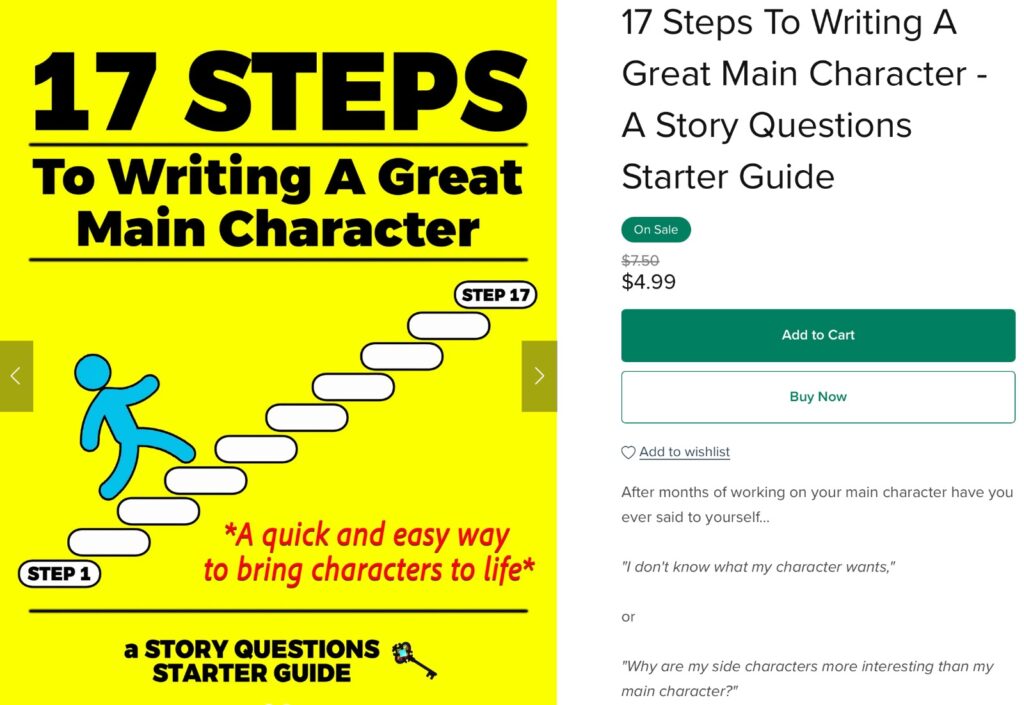
New book from Film Courage! – See it on Payhip here


New book from Film Courage! – See it on Payhip here

