


[Watch the video interview on Youtube here]
Film Courage: How does the financing behind movies work?
Anthony DiBlasi, Filmmaker: Each movie is different and I’ve been a part of almost every category. I think if your business is to be in the studio system then you’re going to put your concentration on, if you’re a writer/director/ filmmaker, you’re going to put your concentration on writing something that is going to get you into that system or directing a short that’s going to get you into that system where the financing is coming from a studio and with that comes more restrictions, you’re dealing with many more layers of gatekeepers and things like that.
I’ve always loved that process. I started with Clive [Barker’s] company, I started in the studio system and setting up projects at studios and you’re really honing that screenplay to fit the budget if it’s in the millions, if you’re doing a project that’s in the millions and you’re like okay the funny thing that I found is that doing a project that is multi-millions of dollars or hundreds of thousands of dollars, it never feels different in the process of making the movie. You’re always hit with the same constraints in a way and you just adjust to it. It’s weird how you think it would feel drastically different but it doesn’t to me.
Now the other ways like with Scott [Poiley] when we worked on the films we did in Florida, those were financed with private equity. Scott put the man hours in to cultivate relationships with people not in the film business because there’s a lot of people in the world that have money and they’re in finance or business and they making movies is sexy, it’s an adventure or they’ll have like I’ll come to set and I’ll be part of this process and also a lot of people don’t need to make their money back. A lot of financing is a write-off to their other business so film makes sense to them. They can put a lot of equity in something and they don’t need a payout right away, it’s something that builds over time. That’s one way to do it and now with Kickstarter and IndieGoGo people are self- financing with crowdfunding which is something that I have not done personally but know a lot of people that have. There’s a lot of ways to fund a picture right now and I’ve been part of most of them.
I think one of the most pragmatic ways is you’re dissecting the movie and its components you’re bringing in relationship financiers that are selling overseas. They’re going to the film markets like AFM and Berlin and they’re taking your poster and they’re taking your concept and they’re pre-selling markets or they’re raising it based on an actor you may have in the film and they’re saying…(Watch the video interview on Youtube here).
About:
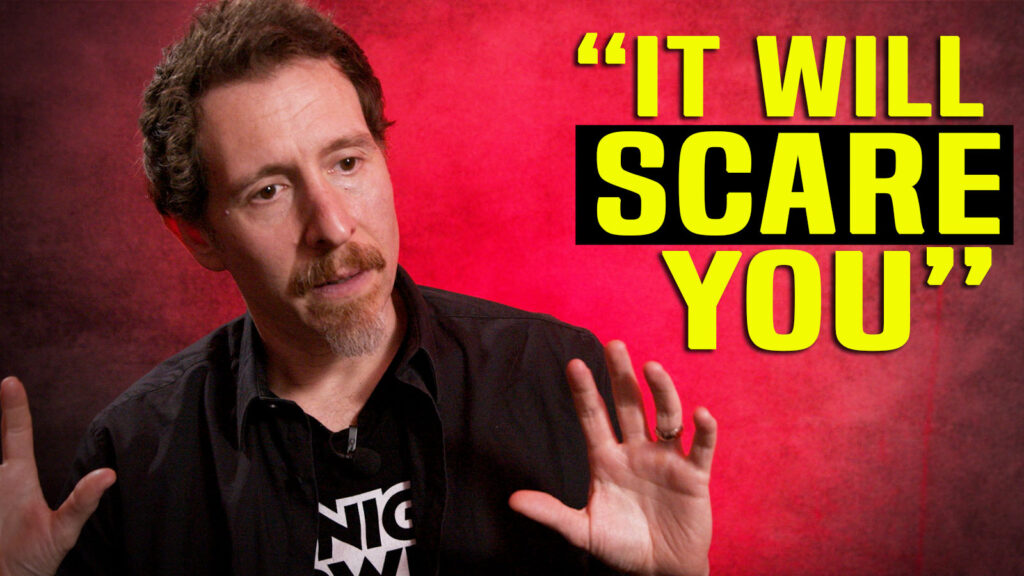
Anthony DiBlasi graduated film school at Emerson College in Boston MA. Upon moving to Los Angeles he became a protégé of filmmaker/novelist Clive Barker. DiBlasi partnered in Barker’s production company Midnight Picture Show for nearly ten years, serving as a key executive & producer on films such as “Midnight Meat Train” (2008) and “Book of Blood” (2009). DiBlasi made his directorial debut with the psychological thriller “Dread” (2009), a feature film he wrote based on the Clive Barker short story of the same name. “Dread” was released theatrically in January of 2010 and went on to win Best Independent Feature at the 2010 Spike Scream Awards. He directed and co-wrote “Last Shift” a critically acclaimed supernatural horror film released by Magnolia Pictures in 2015. And directed “Extremity” a psychological thriller based on Extreme Haunts, released in 2018 by Epic Pictures.
MORE VIDEOS WITH ANTHONY DIBLASI
CONNECT WITH ANTHONY DIBLASI
Advertisement – contains affiliate links
(As an Amazon Associate I earn from qualifying purchases)

Check out Film Courage on Patreon!
More affiliates:
Camera we use for interviews – https://buff.ly/3rWqrra
Sound we use for interviews – https://amzn.to/2tbFlM9
Other books on Amazon that Film Courage recommends – https://buff.ly/3o0oE5o